Leak Tracing
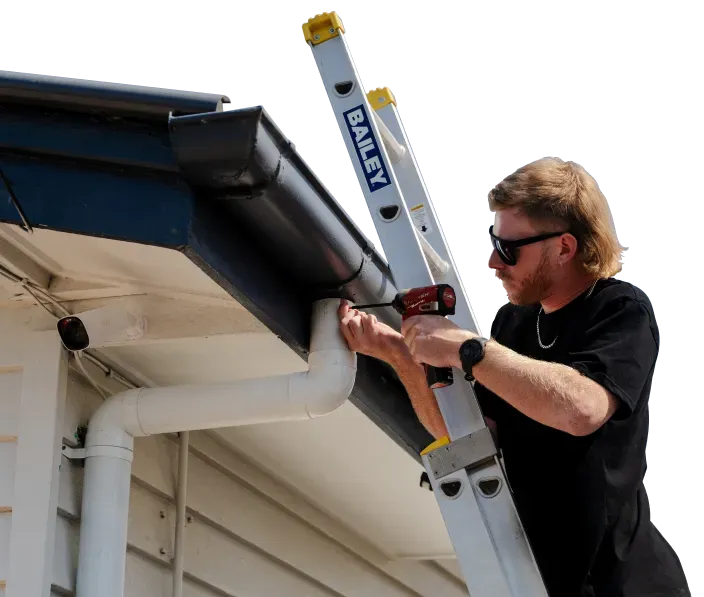
We pressure-test the line, isolate sections one at a time, and follow the drop to the faulty joint or pipe, so the repair targets the actual leak instead of guesswork.
A gas smell outranks every other job we attend. Plumber Gaythorne is licensed for plumbing and gasfitting under QBCC No: 15024607, and we trace, repair and retest gas leaks across Gaythorne and the streets around it, with a fixed quote before any work starts.
If we're late, $100 comes off your bill

If you can smell gas inside or near the building, leave first and call from outside. Don't flick switches, don't light anything, and don't start a car in an attached garage. Ring (07) 3520 4094 once you are clear of the property.
Every other emergency on this site can usually wait for a booked visit. Gas is the exception.
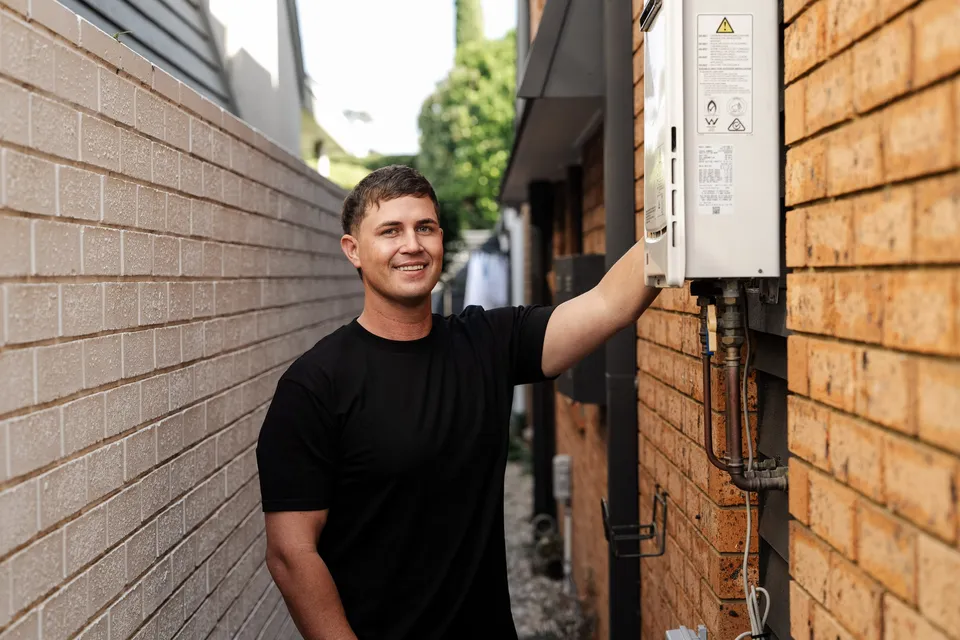
Some checks are safe from the footpath, and they save time on the call:
A smell that fades when the wind changes can still be yours. Call anyway and let a licensed gasfitter say so.
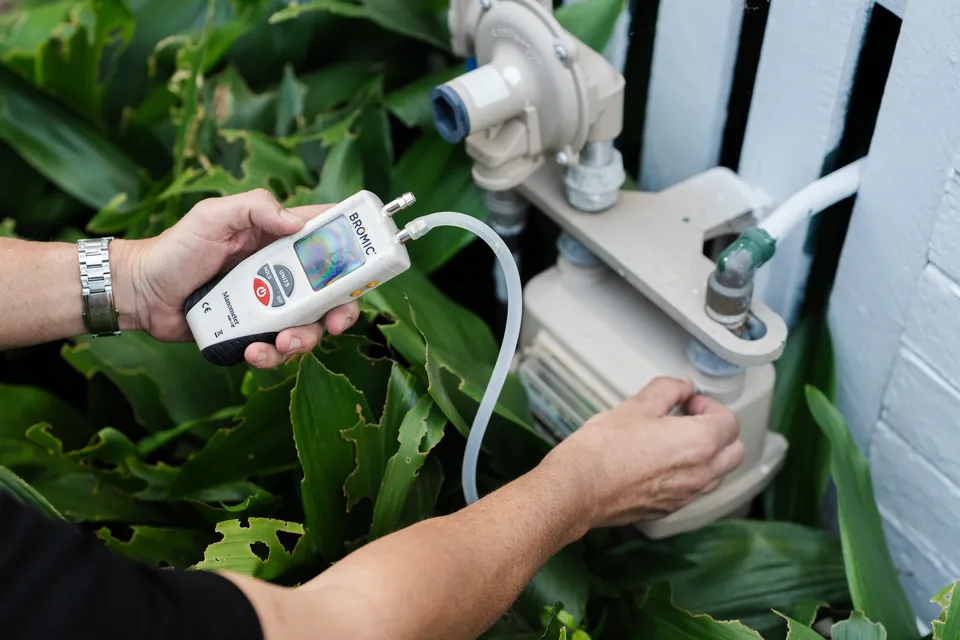
Gas smells run from a five-minute fix to a full line replacement, and the order below is roughly how often we find each one.
The odorant from a poorly burning appliance can mimic a leak. A dirty pilot or a blocked flue on a heater that sat idle over summer is a common false alarm.
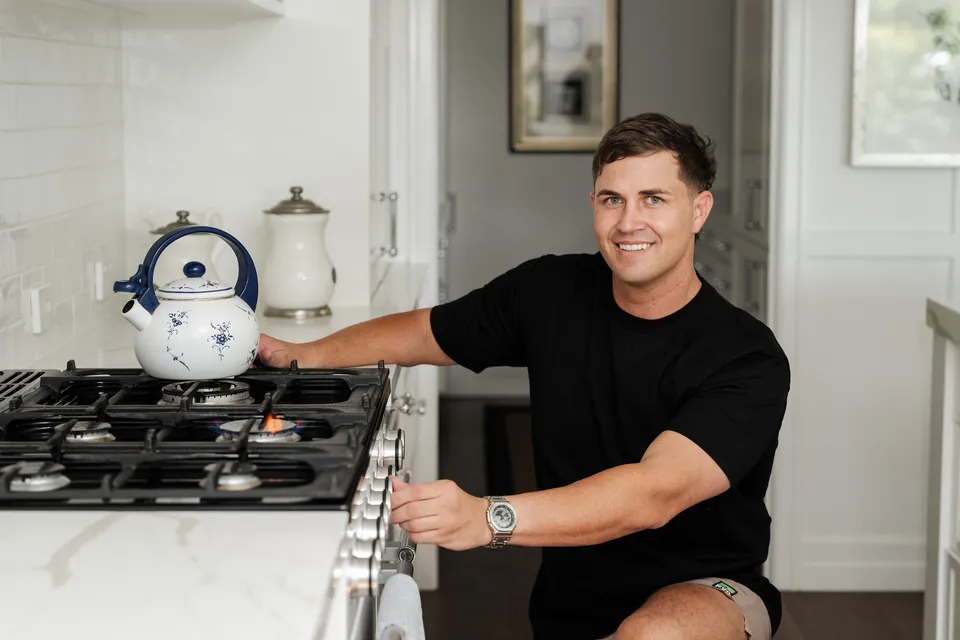
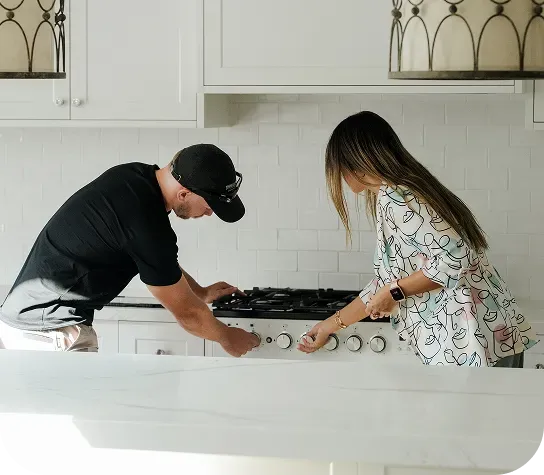
The braided hose and bayonet behind a cooktop cop with heat, trolleys and cleaning products, and a hose gone brittle is the most common real leak we find.
Old lines carry fittings reworked across generations of repairs, and a thread that never quite sealed again is a slow leak waiting for winter.
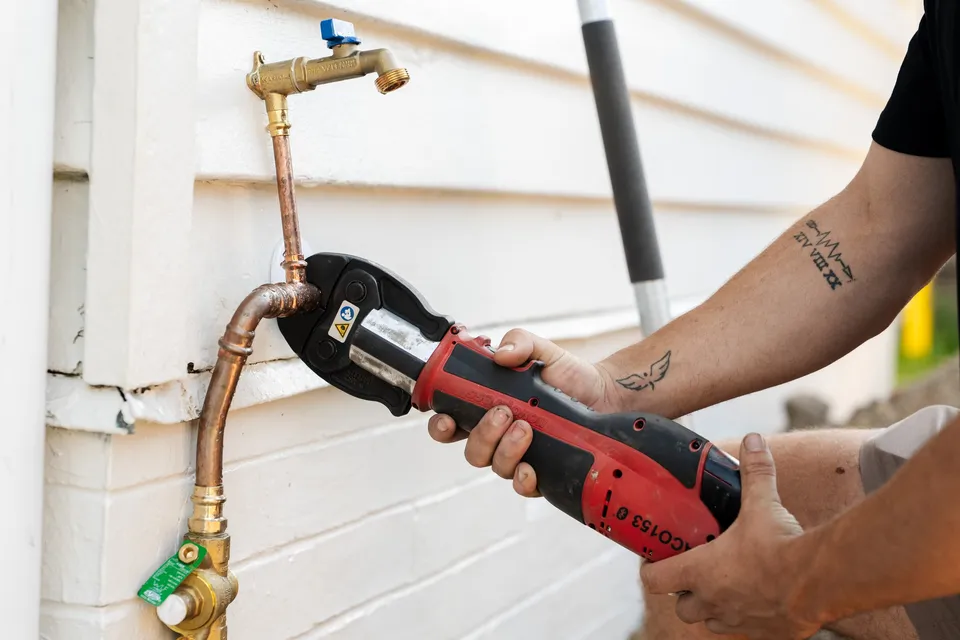
Copper inside a wall cavity, under a floor or beneath a garden bed can corrode, get nailed during a reno, or split at a solder joint. This is the big job, and it starts with a pressure test.
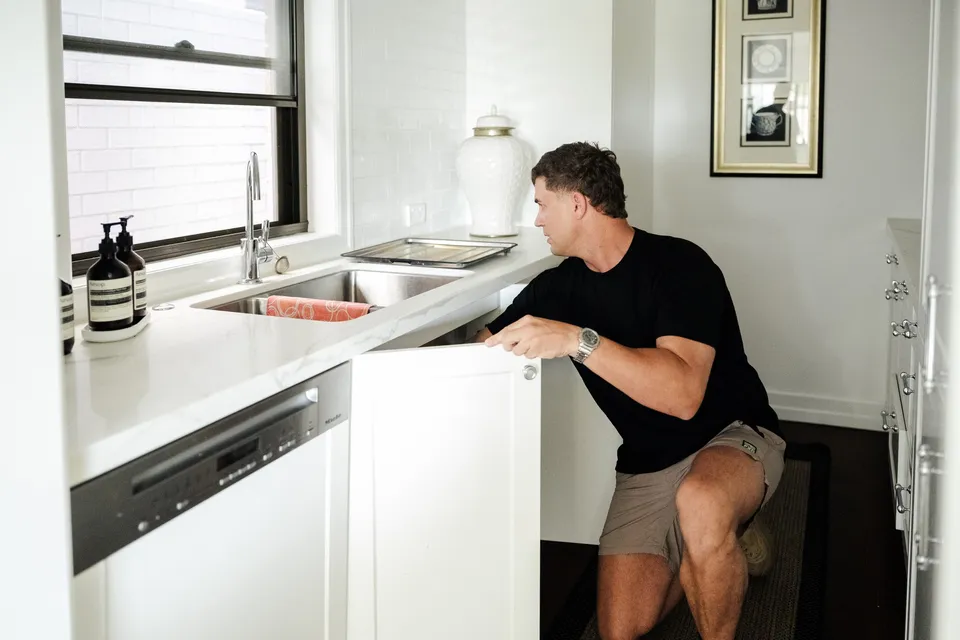
Station Avenue and Gaythorne Road were cut up when the Enoggera Heights estates went to auction through the 1910s and into the early 1920s, and the pre-1947 Queenslanders still standing there have had gas lines renewed by a century of owners. Fittings reworked that many times are where slow leaks hide.
Flats now outnumber detached houses here, and the older blocks run the same flexi hoses and isolation valves unit after unit, so a leak in one flat can surface as a faint smell in a stairwell. Tracing it needs someone who reads buildings, not just pipes.
With most homes here tenanted, the call frequently comes from a managing agent who wants it fixed fast and wants the paperwork for the file. The written price goes straight to whoever approves it.
Nearly every gas leak call we attend on this run falls into one of these four jobs:
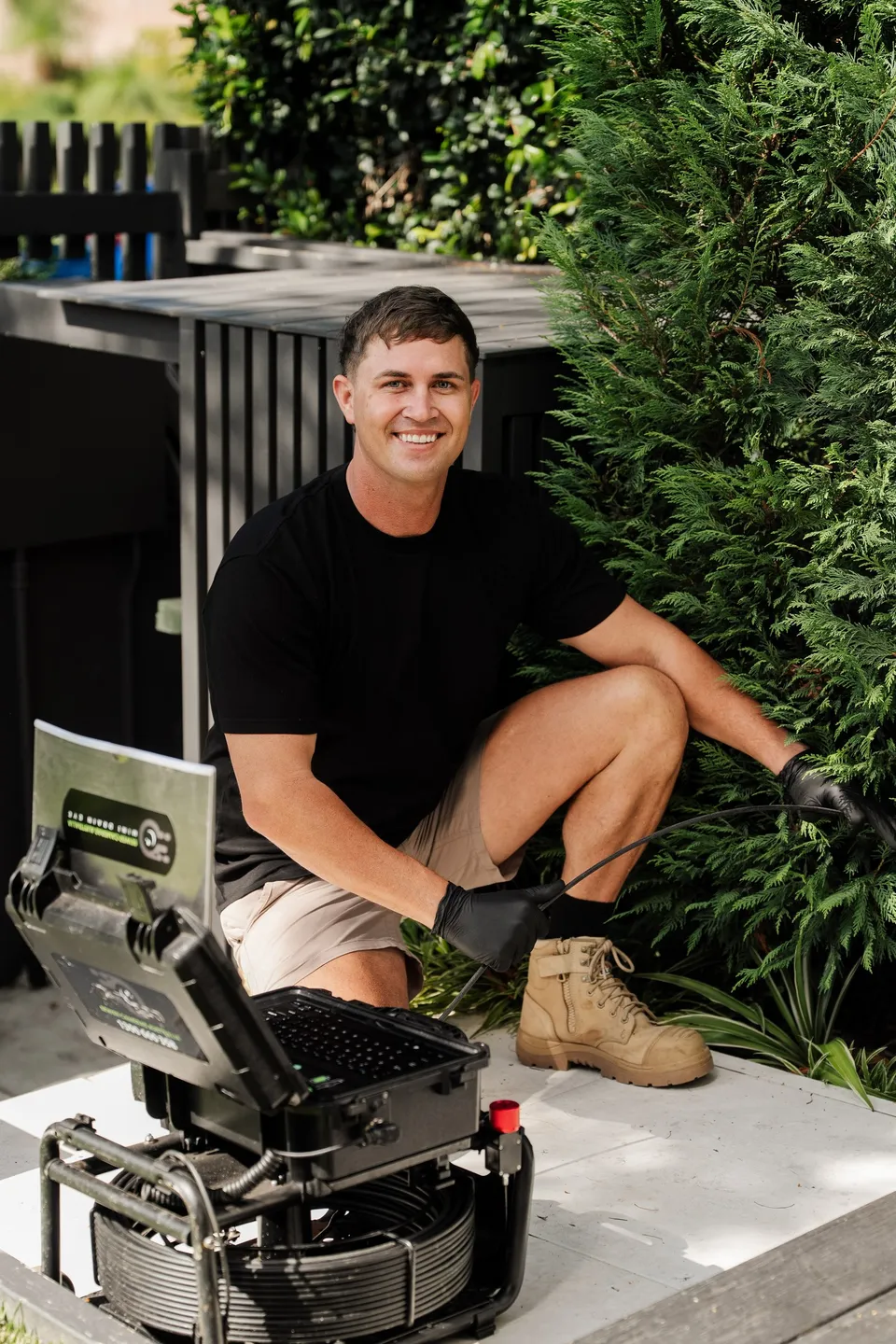
We pressure-test the line, isolate sections one at a time, and follow the drop to the faulty joint or pipe, so the repair targets the actual leak instead of guesswork.

Copper and fittings past their best get cut out and replaced, then the whole line is pressure-tested again before your appliance is relit and the gas safely goes back on.
Heaters, ovens and cooktops get a full check for leaks at the bayonet, the control knobs and the hose, because the smell you notice is not always the line itself.
Gas work comes with certificates, and we lodge what the job requires, so a unit that changes hands later has the full paper trail a buyer's inspector asks to see.
$0 call-out fees, available 24/7, and same-day where we can.
The same four problems sit behind most of the gas smells we get called to:
The bayonet and its braided hose sit behind stoves where heat and trolleys reach them, and a perished hose is the most common gas smell we find in older kitchens.
A heater left idle through summer often lights with a smell, and a blocked flue or dirty pilot can mimic a leak that testing later proves is just poor combustion.
A century of repairs leaves old threads along the gas line, and one redone without fresh tape or compound can seep slowly for months before anyone notices the smell.
Gas risers serve several flats off one line, so a leak in a ground-floor unit can show as a smell in the stairwell before anyone pins down the source.
Carbon monoxide and fire risk sit behind every gas smell, and the job only grows the longer it sits:
A joint that seeps today can split under winter demand, when heaters and cooktops all run at once across the older housing stock.
Unlike a burst pipe, where you shut the meter and wait, a gas leak rewards leaving first and asking questions from the footpath.
Certified gas repairs matter at sale time, at inspection time and after any renovation that opens a wall near a line.

Call (07) 3520 4094 and explain what's happening in Gaythorne. A few quick questions let us load the right parts for the first visit.

Flat-rate pricing with no hidden fees, agreed before any work starts. Once you approve it, we get going.
We isolate the gas, pressure-test the line to find the leak, repair or replace the failed section, and then test the whole line end to end before your gas goes back on.
Use card or EFTPOS on site when the job is finished, or ask us about Fix now, pay later.
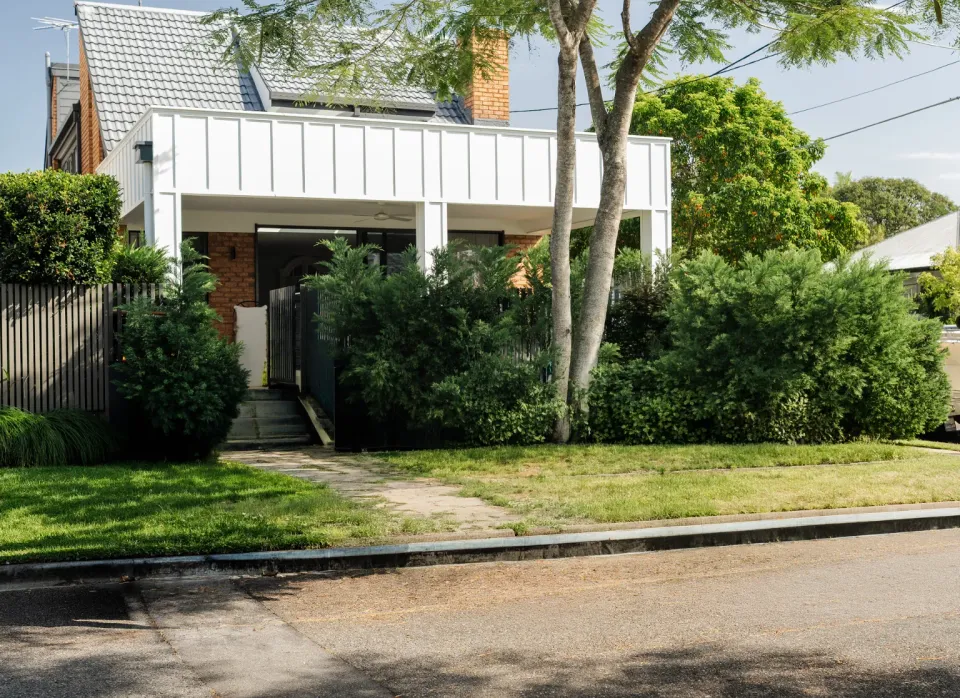
Every gas job ends with a retest and a relight, and we never leave a line we have not proven sound.
Jobs in Gaythorne come with zero call-out fees, and there's no extra fee for nights, weekends or public holidays.
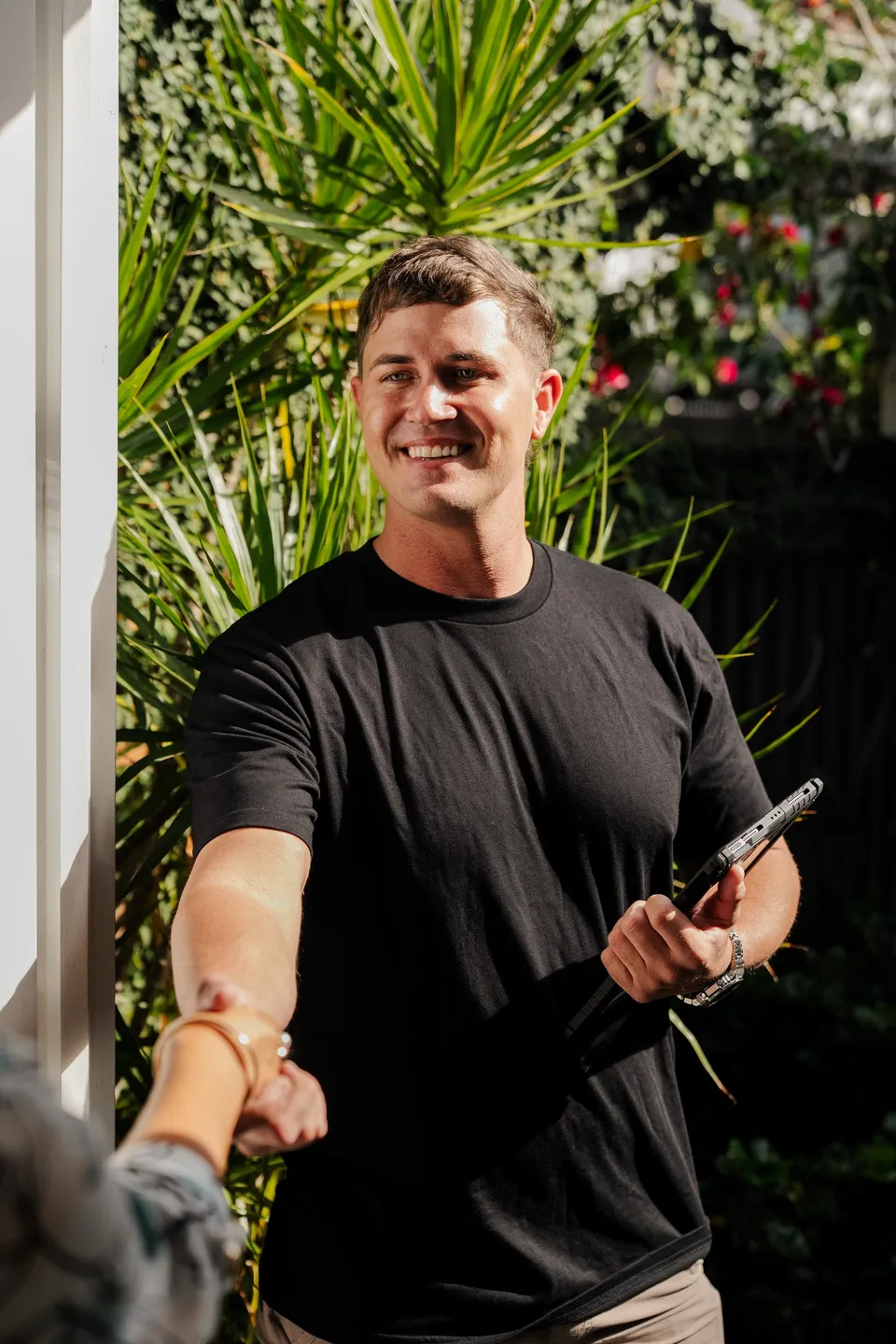
The work is backed by our Fix-It-or-It's-Free guarantee (T&Cs apply), and if we're late, $100 comes off your bill.
Every job is handled by a licensed plumber under QBCC No: 15024607, with a lifetime labour warranty on the labour.
Locally owned and operated, licensed and insured, with flat-rate pricing.
Our run also takes in Enoggera, Mitchelton and Everton Park, so a gas smell on either side of the boundary gets the same licensed visit, the same written price and the same pressure test before anything is signed off.
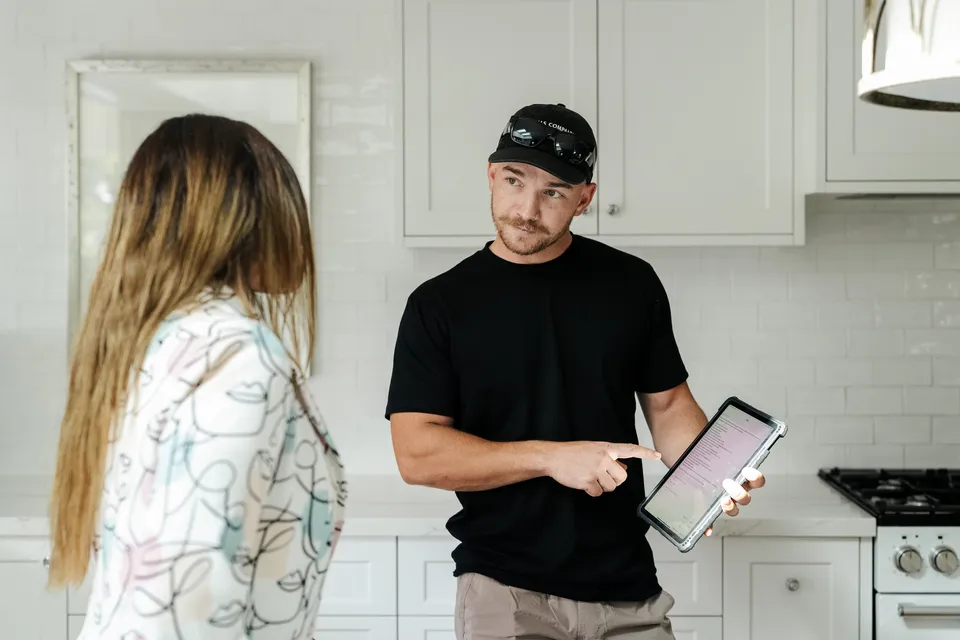
Pick up the phone and call (07) 3520 4094. We're available 24/7, there are $0 call-out fees and flat-rate pricing on Gaythorne jobs, and we work under QBCC No: 15024607, same-day if we can.
For the other emergencies that share this territory, the emergency plumbing page covers burst pipes, overflowing toilets and no hot water, each with its own page. Planned gas work, like bayonet installs and appliance connections, sits under gas fitting.
Suppliers add an odorant so gas smells like rotten eggs or sulphur, and any whiff of it inside a house is worth a licensed gasfitter checking before you shrug it off.
The network named on your gas bill manages the meter and street main, whereas pipework and appliances beyond the connection point are the homeowner's, and that is the side we attend to.
Yes, and in strata buildings we coordinate with the body corporate, trace the shared line that serves the affected flat, and keep neighbouring units working while the repair runs.
Gas lines in the pre-1947 Queenslanders have been reworked by generations of trades, and a thread redone without fresh sealing compound is where we most often find a slow seep.
Stay out of the house, keep switches and flames alone, and call from the footpath, because a gas leak is the one job where the safest first step is distance.
Ring (07) 3520 4094 from outside the property, tell us what you can smell and where, and we will set a visit and send you the fixed quote before any work starts.